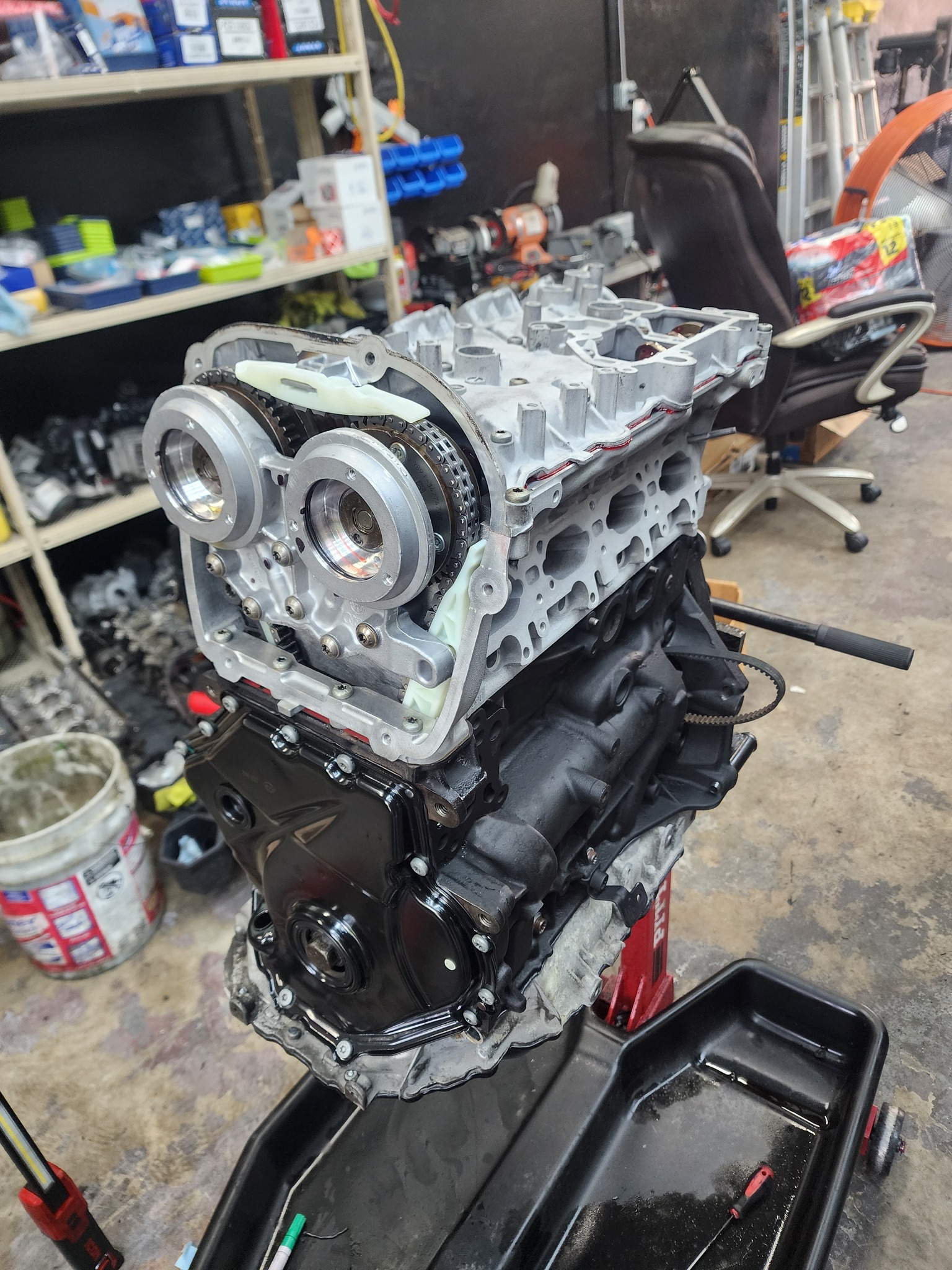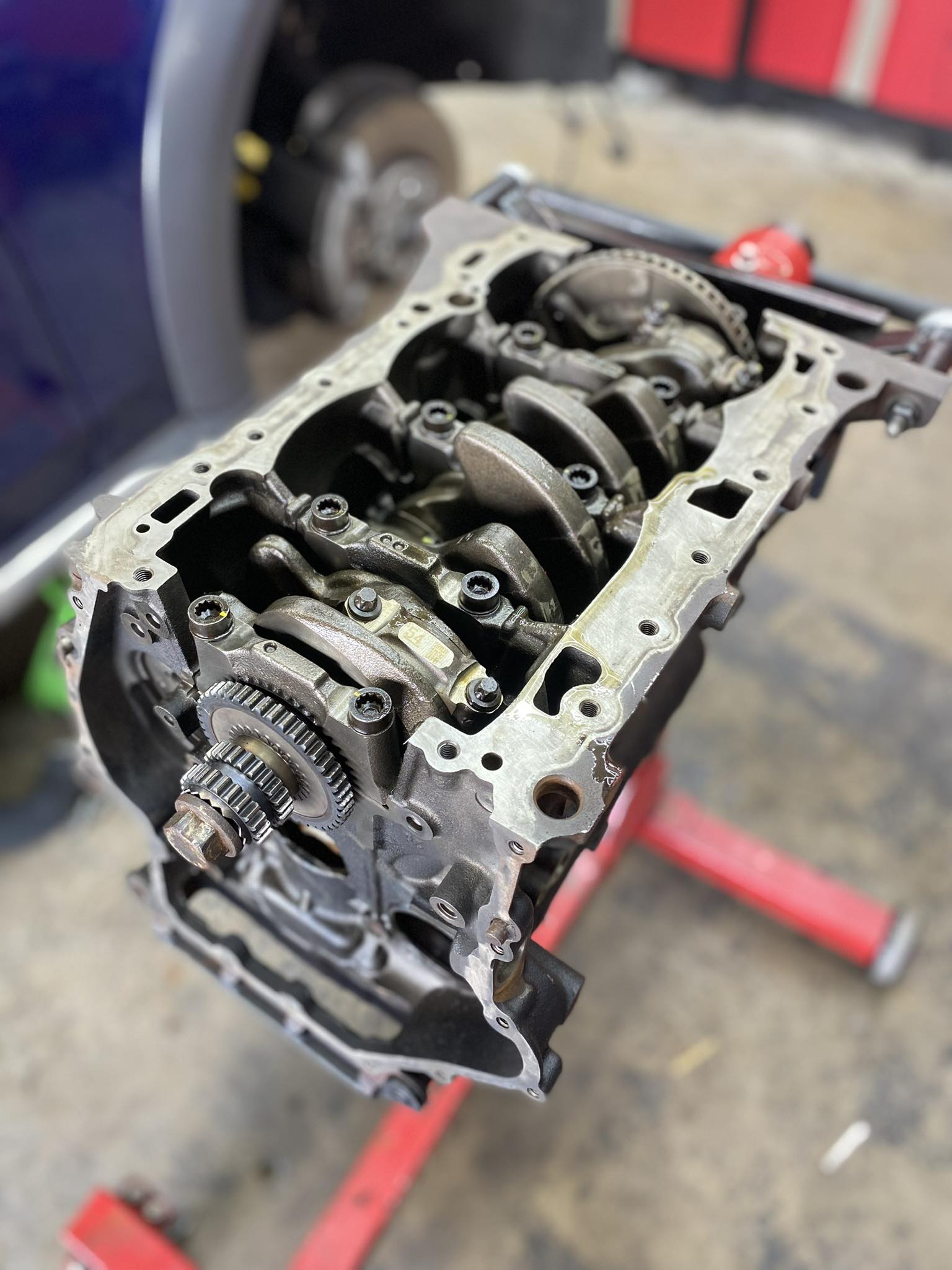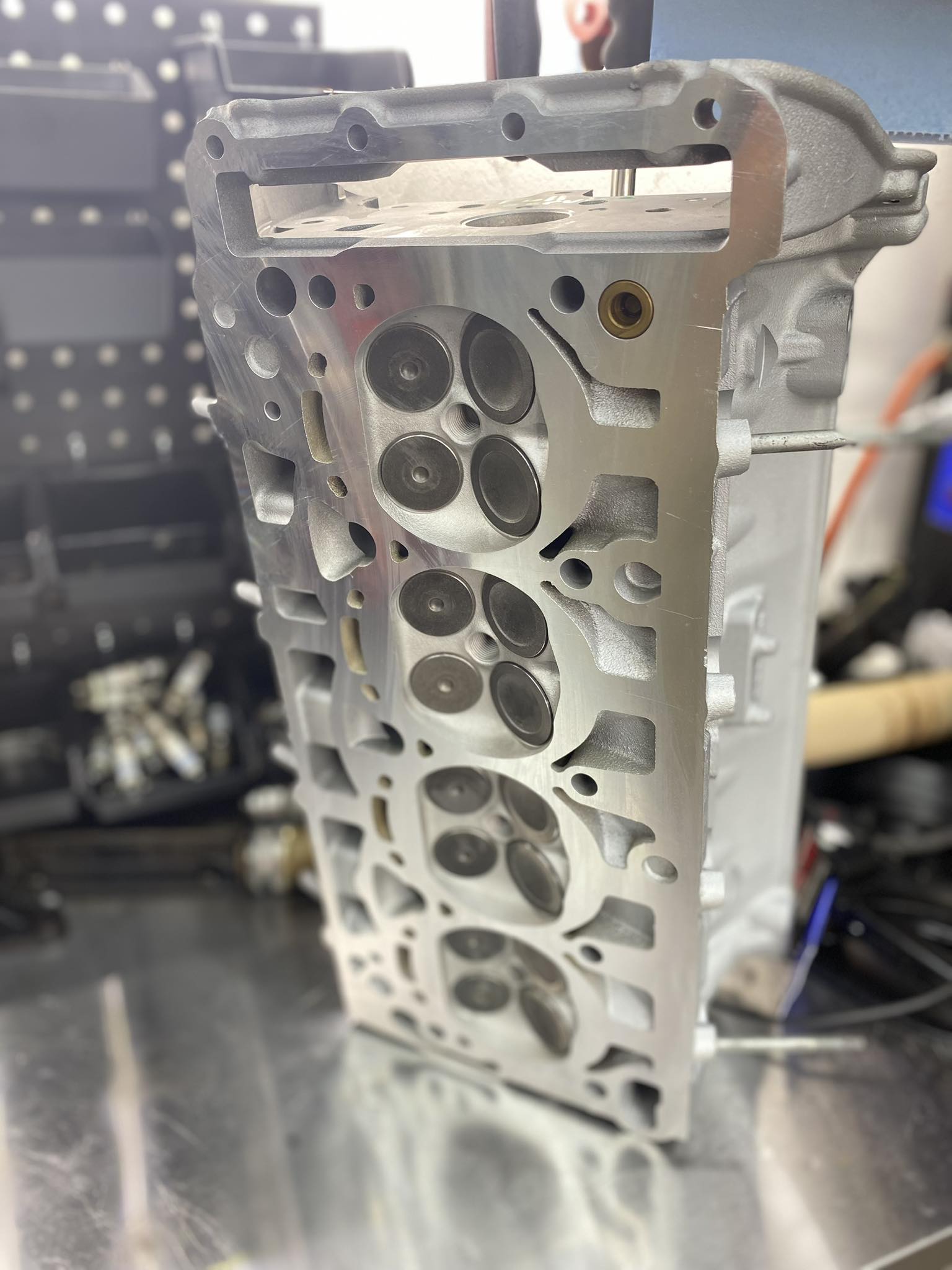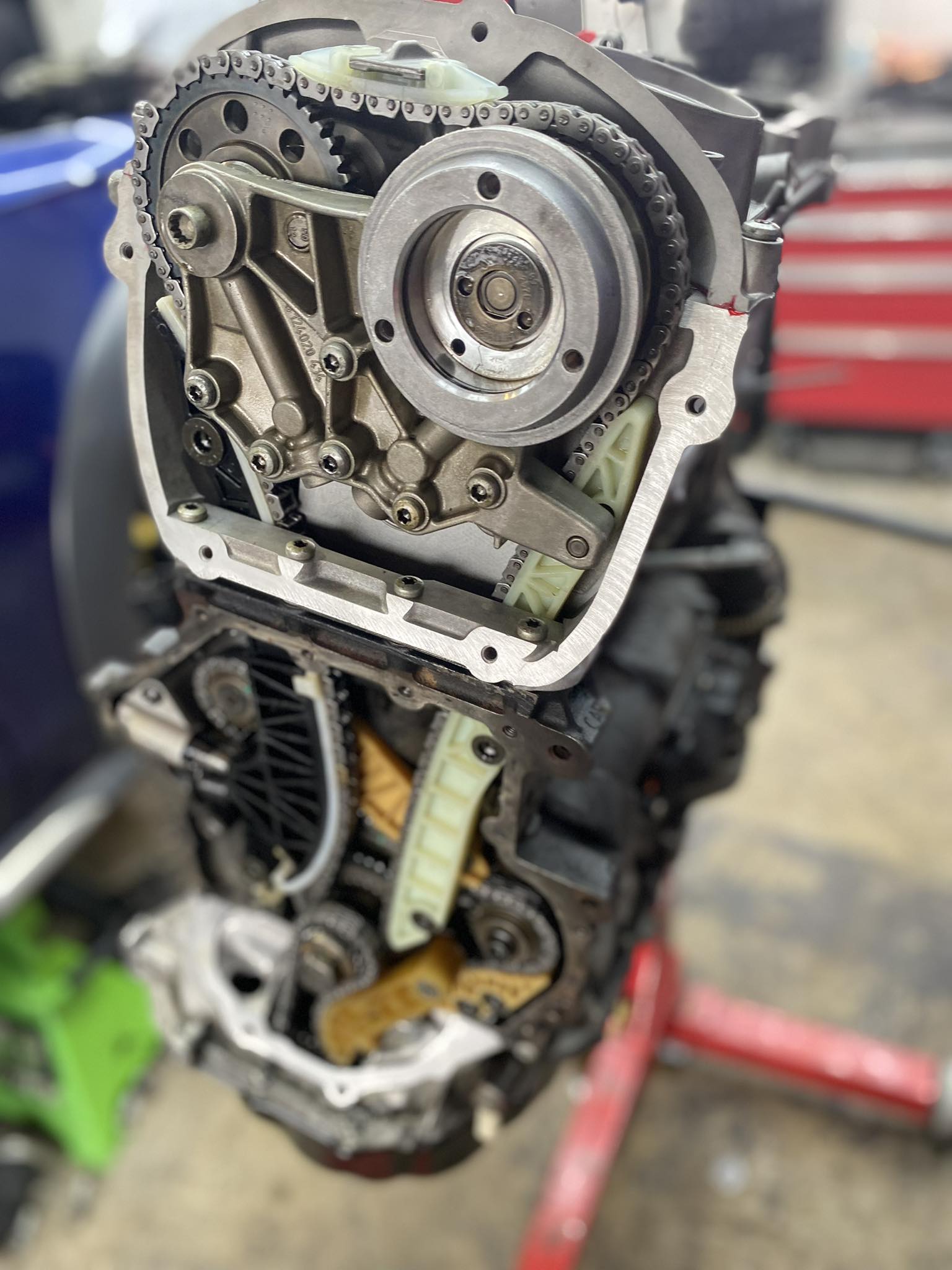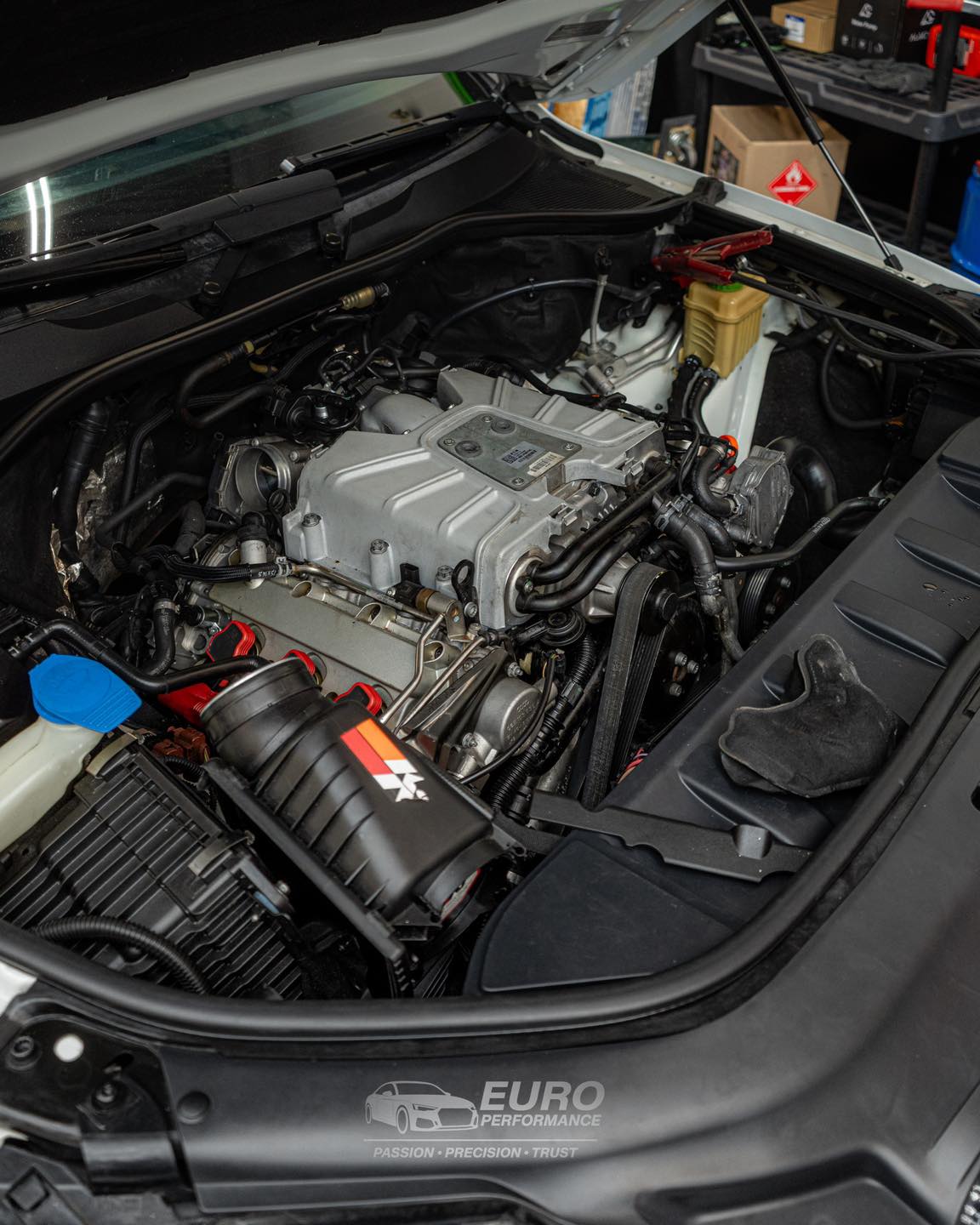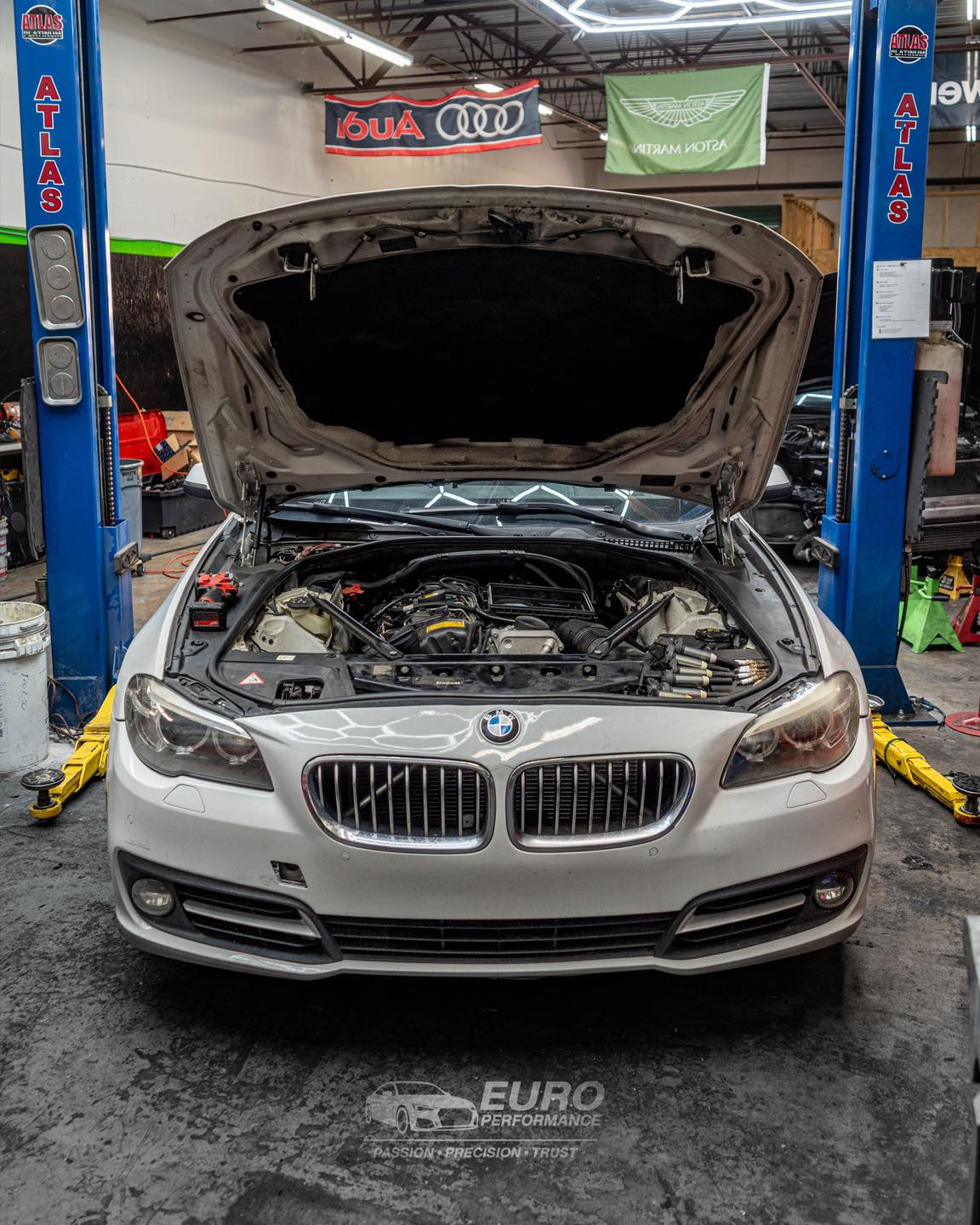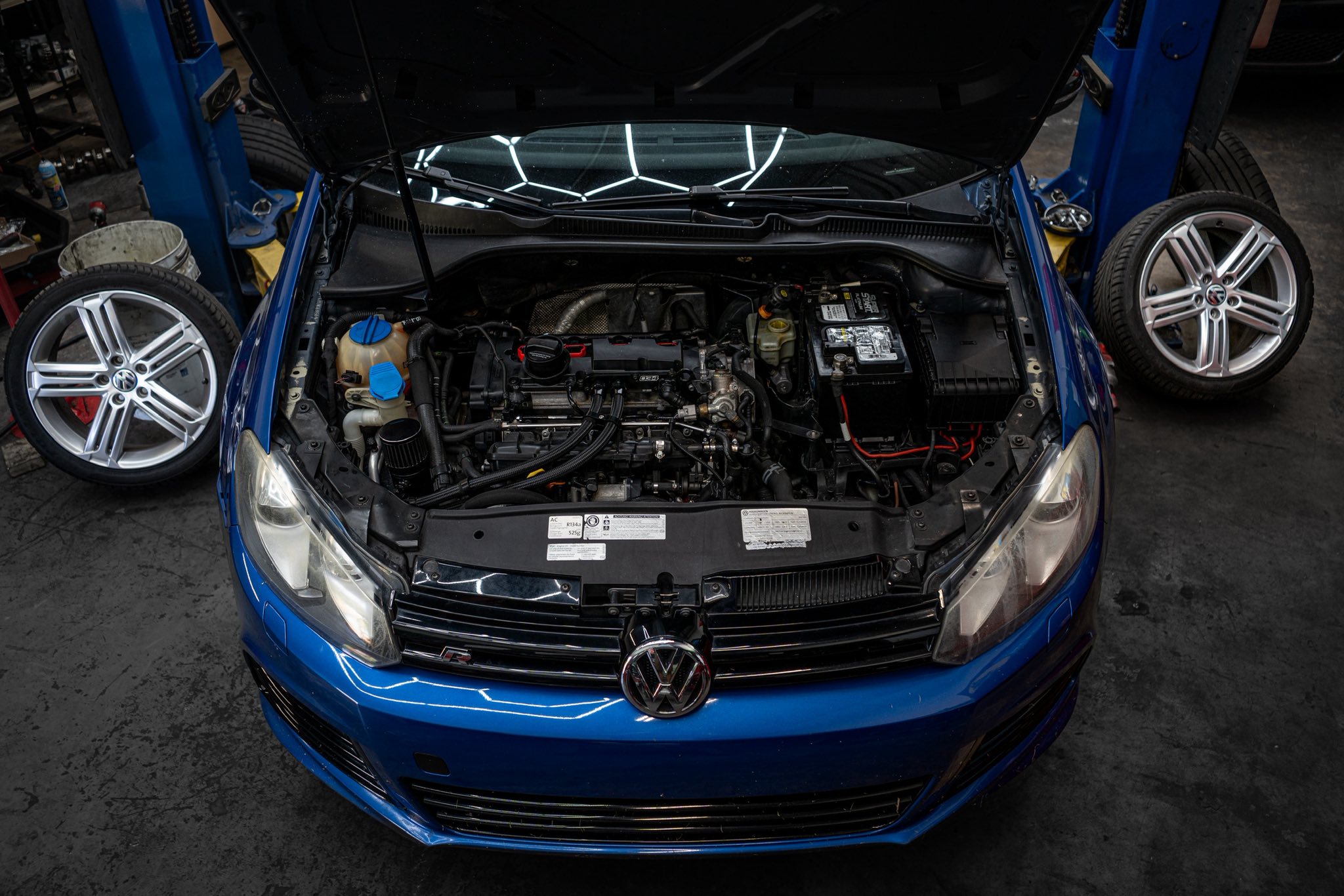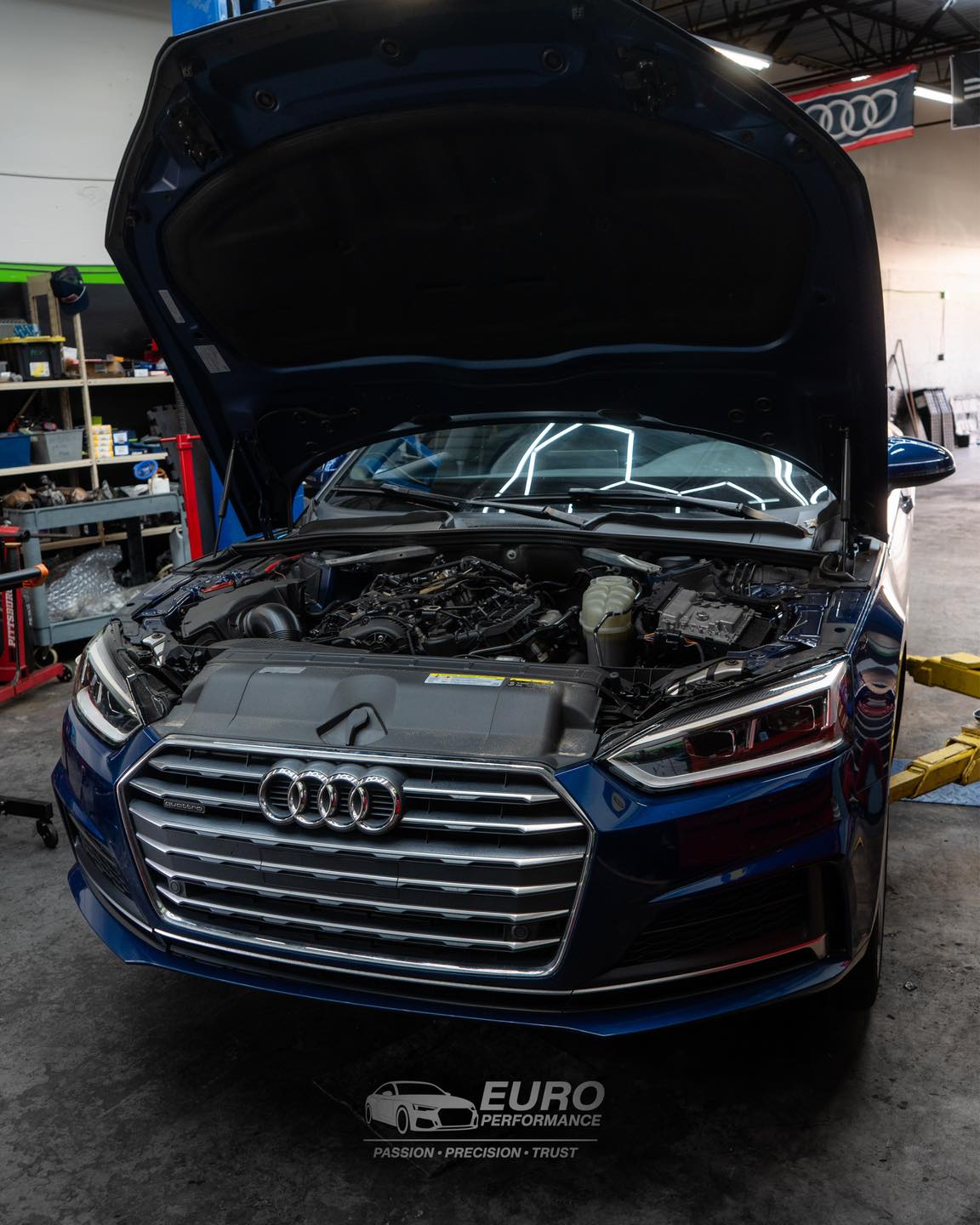
Factory accurate
Maintenance
Routine maintenance on European vehicles is not about checking boxes - it is about protecting precision components and preventing expensive failures before they occur.
We follow conservative, experience-based service intervals, even when manufacturer marketing or oil companies suggest extended intervals that prioritize ownership cost optics over long-term reliability.
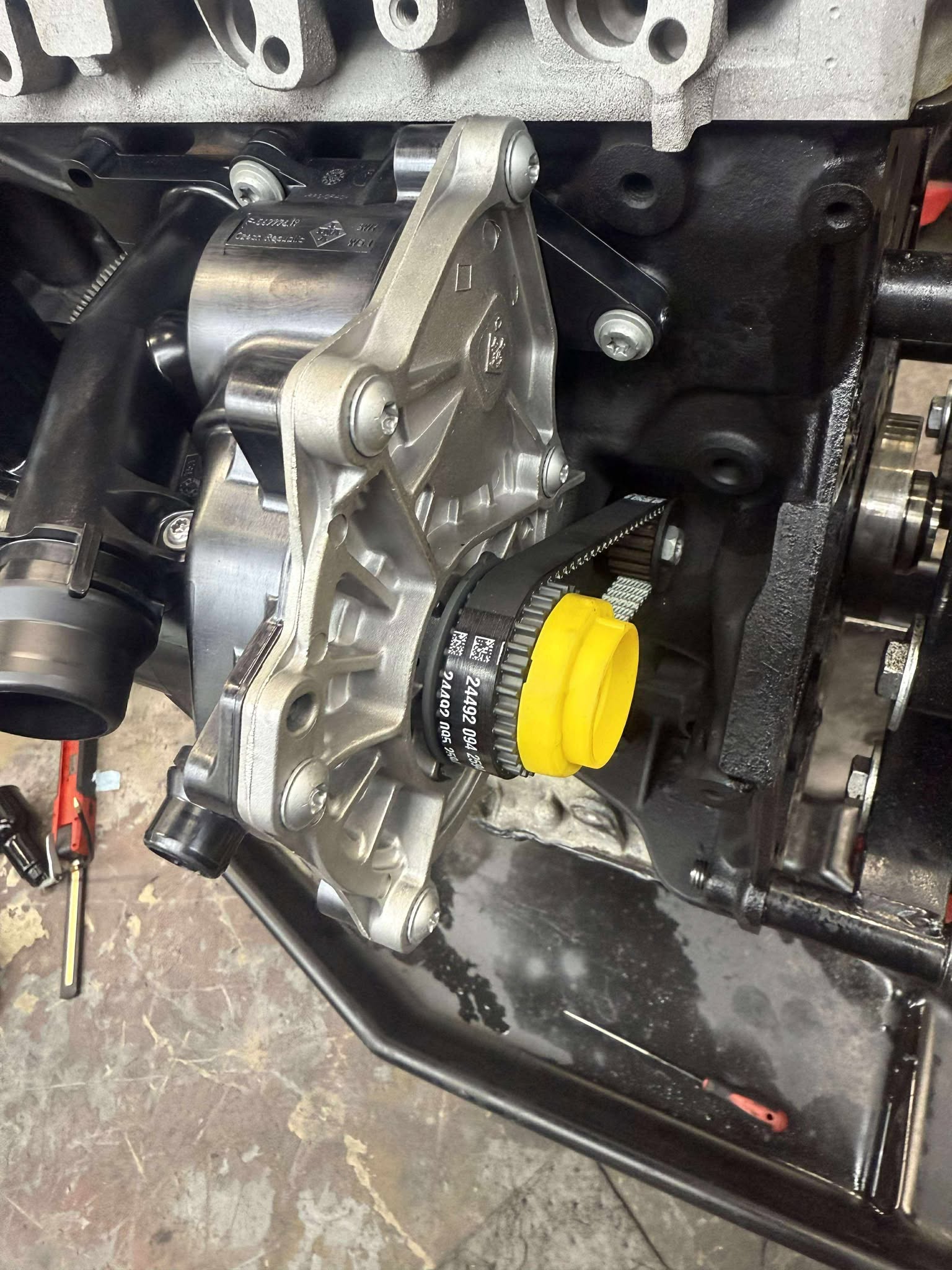
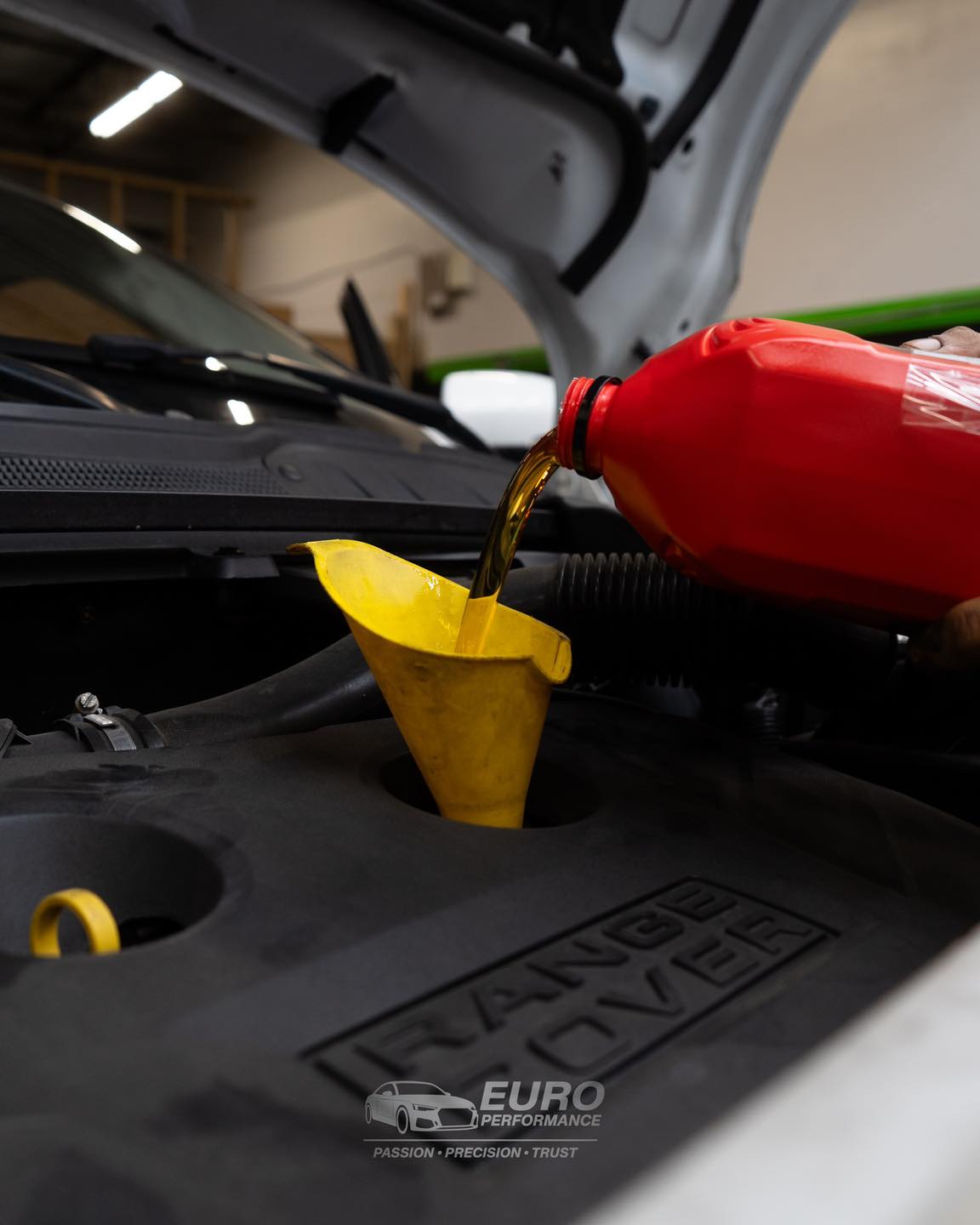
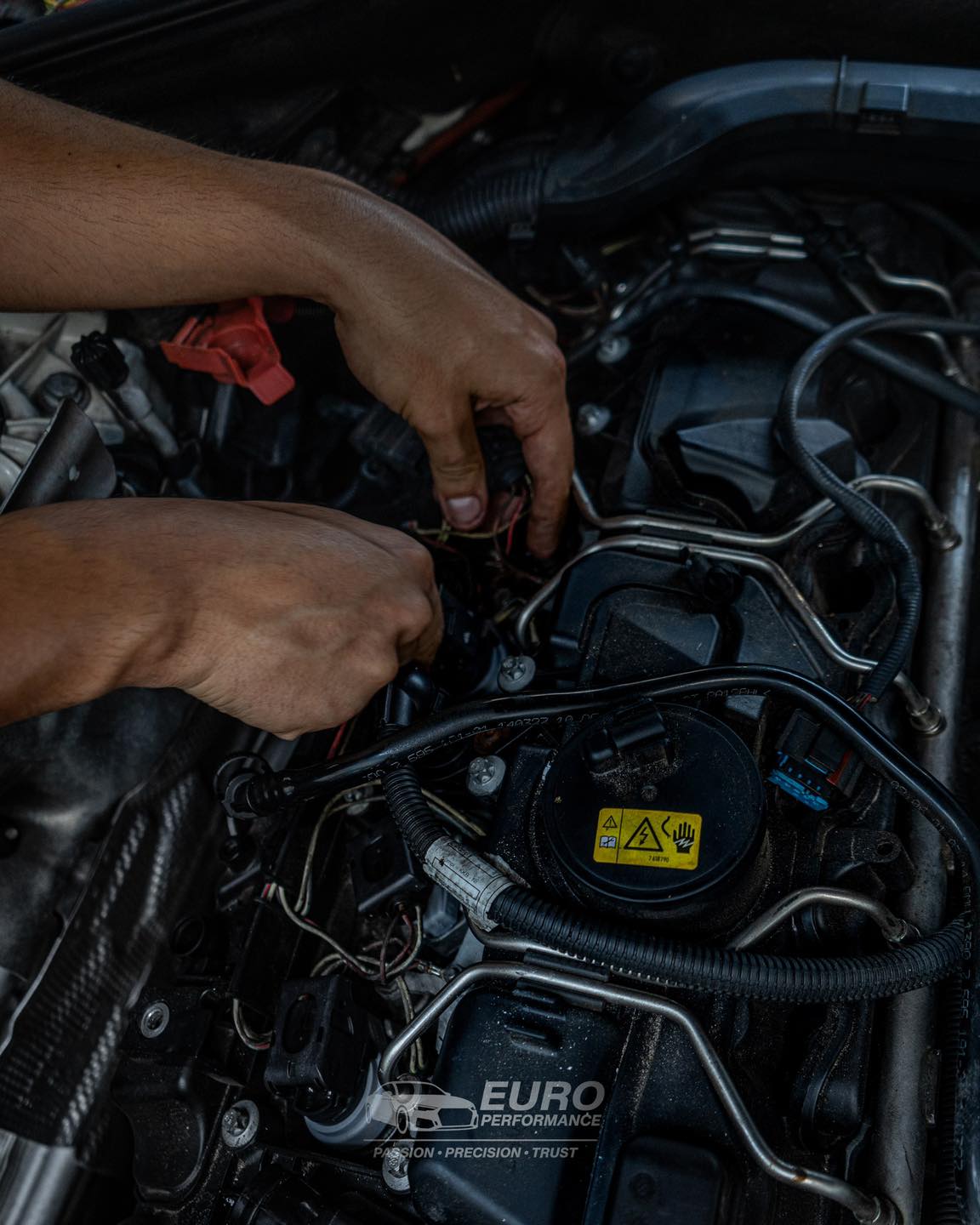
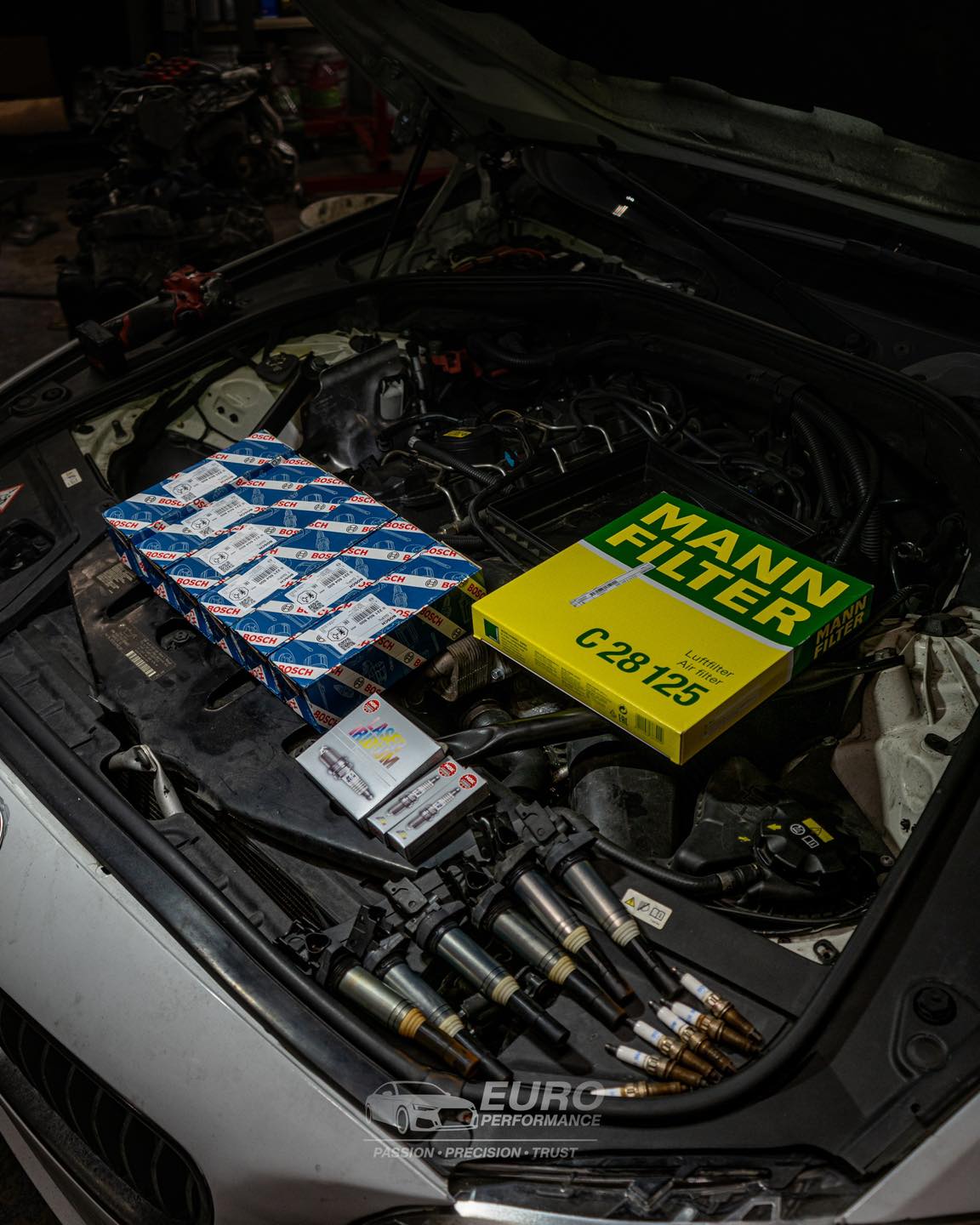
Oil Changes - Engine Protection Comes First
Modern European engines operate under high heat, tight tolerances, and extended boost or load conditions. While some manufacturers advertise 10,000-mile oil change intervals, real-world wear tells a different story.
Our recommendation: Oil changes every 5,000 miles or less.
- Oil degrades long before 10k miles in real driving conditions
- Sludge formation accelerates timing chain, turbo, and bearing wear
- Extended intervals increase oil consumption and internal deposits
- Shorter oil intervals extend engine life, especially on turbocharged European vehicles
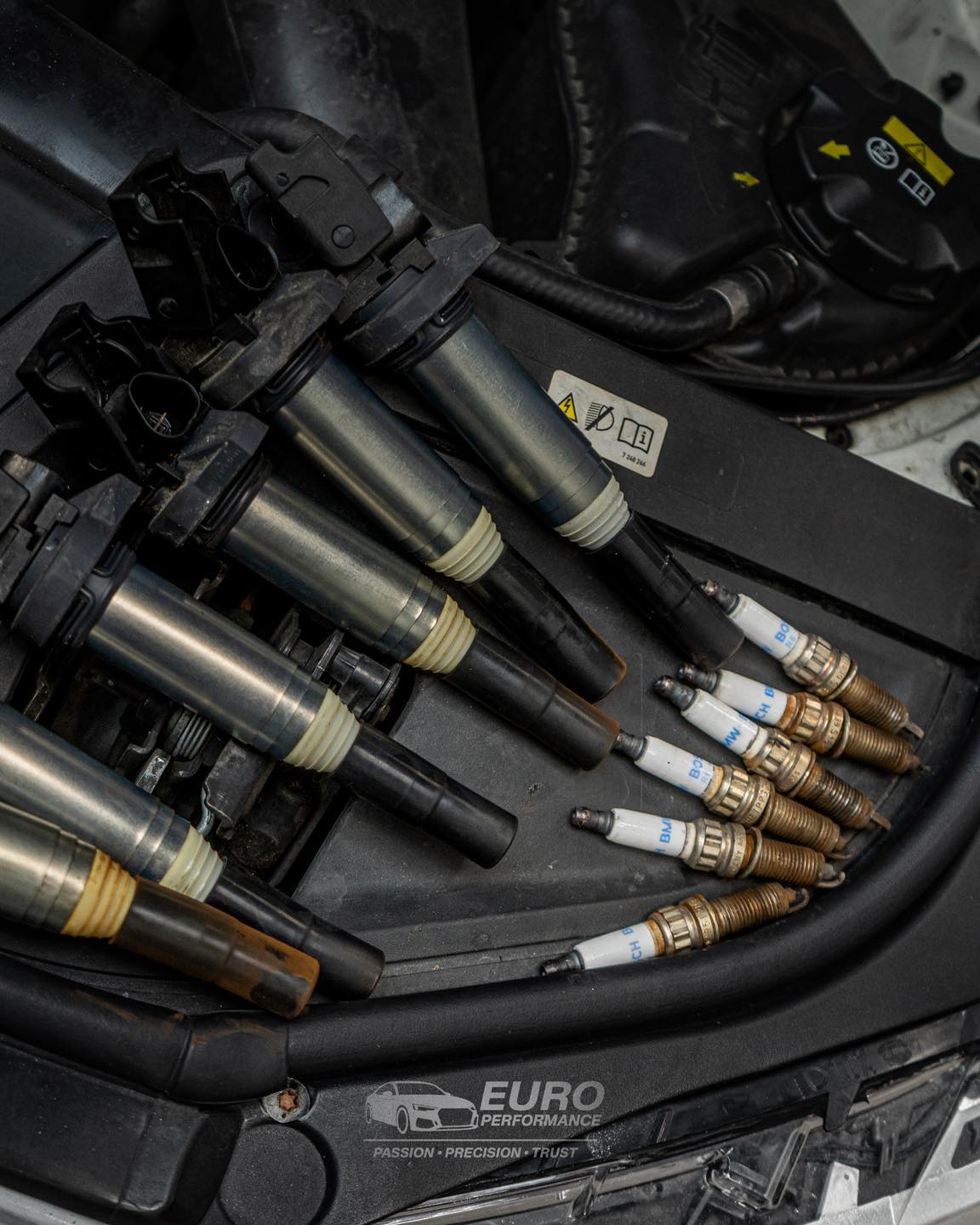
Spark Plugs - Small Part, Big Impact
Spark plugs play a critical role in combustion efficiency, power delivery, and engine longevity. As plugs wear, misfires increase cylinder stress and place additional load on coils and catalytic converters.
- Worn plugs cause incomplete combustion and misfires
- Misfires increase fuel dilution and internal heat
- Delayed replacement often leads to coil failures and catalyst damage
Transmission Service - "Lifetime" Is Not a Lifetime
Many manufacturers claim lifetime transmission fluid, but fluid degradation is inevitable due to heat, shear, and contamination.
Our recommendation: Transmission service every ~40,000 miles.
- Old fluid loses lubricating and hydraulic properties
- Valve bodies and clutch packs are highly sensitive to contamination
- Delayed service leads to harsh shifts, slipping, and premature failure
Engine Air Filter - Engine Health
The engine air filter protects sensitive components from dirt, debris, and airborne contaminants.
- Restricted filters reduce airflow and efficiency
- Increases turbocharger workload
- Accelerates internal wear over time
Cabin Air Filter - Your Health Matters
Cabin air filters are often overlooked, but they directly affect air quality inside the vehicle.
- Traps dust, pollen, mold, and pollutants
- Reduces HVAC performance when clogged
- Causes unpleasant odors and poor air circulation
How maintenance is handled
- Maintenance is based on condition, mileage, and usage - not guesswork
- OEM or OEM-equivalent fluids and components are used
- Service intervals are explained clearly before work is approved
- Preventive maintenance is cheaper - and safer - than reactive repairs